As summer wraps up and the weather cools, trees start gearing up for colder days ahead. Leaves turn, growth slows down, and most trees settle into their dormant stretch. That’s why fall tree care and seasonal tree preparation in Deansboro, including timely tree trimming and pruning, can be a smart way to check on your trees and plan the work they may need before winter.
If you’re searching for tree trimming near me, fall is a smart time to have your trees inspected before winter arrives. Once leaves begin to drop, it becomes easier to see dead, damaged, crossing, or weak branches that may need attention. The right pruning schedule depends on the tree species and the type of work required, but an inspection in fall can help homeowners identify potential hazards and plan necessary tree care before winter weather.
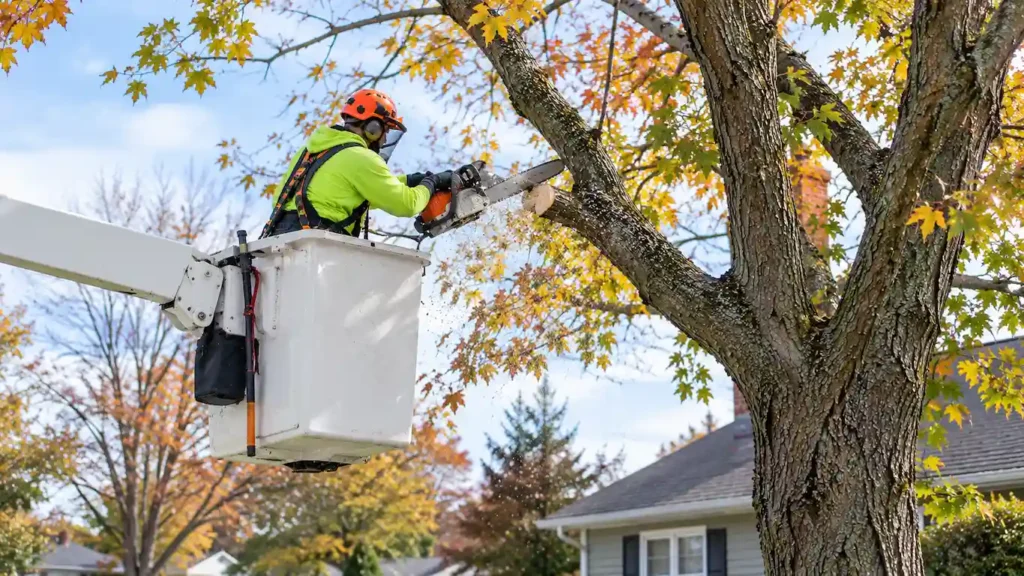
For homeowners looking for tree care in the Mohawk Valley, JW Tree Service serves Rome, NY 13440, Utica, NY 13501, Oneida, NY 13421, Clark Mills, NY 13321, New Hartford, NY 13413, Vernon, NY 13476, Westmoreland, NY 13490, Augusta, NY 13425, Clinton, NY 13323, Deansboro, NY 13328, Munnsville, NY 13409, Waterville, NY 13480, Whitesboro, NY 13492, Oriskany Falls, NY 13425, and Sauquoit and Paris, NY 13456.
At JW Tree Service, we help homeowners figure out exactly what’s going on with their trees and when it’s best to trim or prune. Not sure if your trees need some work? Just give us a call at (315) 888-6696 for honest advice and help.
Local Tree Care Across the Mohawk Valley
Tree care is especially important for homeowners throughout the Rome and Utica area, where mature trees are part of many residential properties. Local residents may have trees near well-known places such as Fort Stanwix National Monument and the Erie Canal in Rome, as well as the Munson Art Collection and Adirondack Bank Center area in Utica. Trees near homes, sidewalks, driveways, and other frequently used areas should be inspected regularly for dead or damaged branches.
Whether you live near downtown Rome, around the Utica area, or in communities such as New Hartford, Clinton, Whitesboro, Waterville, or Sauquoit, seasonal tree inspections can help you identify pruning needs before winter weather arrives.
| Local Area | Tree Care Consideration |
| Rome and surrounding areas | Inspect mature trees for dead, damaged, and overhanging branches before winter. |
| Utica and New Hartford | Check branches near homes, driveways, sidewalks, and other property. |
| Clinton and Whitesboro | Look for crossing, rubbing, or weak branches in established trees. |
| Vernon and Westmoreland | Review trees for storm damage and branches that may become hazardous in winter. |
| Waterville and Sauquoit | Schedule seasonal inspections for mature residential trees and larger limbs. |
Why Fall Tree Care Matters
One reason fall is useful for tree care is that trees begin moving toward dormancy as temperatures cool and leaves drop. With fewer leaves covering the canopy, homeowners and tree-care professionals can get a clearer view of the tree’s structure. Deadwood, cracked branches, crossing limbs, and other potential problems can be easier to identify before winter weather arrives.
That’s when issues can become easier to spot: deadwood, cracked or crossing branches, weak growth, and other structural concerns may be more visible after leaf drop. The University of Minnesota Extension notes that the late dormant season is generally a good time for pruning many trees, although the ideal timing can vary by species and the type of pruning required. This is why fall is often better viewed as a time to inspect and plan rather than automatically assuming every tree should be pruned immediately.
So, fall really is a smart time to walk your property, inspect your trees, and set up any pruning work for late fall, winter, or early spring, depending on the tree and your local weather.
If you have been asking, “Hey Google, when should I trim my trees?” the simple answer is that timing depends on the tree species and the type of pruning needed. For many trees, late winter to early spring during the dormant season is the best time for major pruning, while fall is an excellent time to inspect your trees and plan the work.
Seeing Tree Structure Is Easier
With a full set of leaves, it can be difficult to see everything happening inside a tree’s crown. Dead branches, cracks, crossing limbs, and unusual growth may become much easier to identify after the leaves fall. A professional inspection can help determine which branches present a potential hazard and which should remain to support the tree’s natural structure and health.
Don’t wait until a branch drops unexpectedly to take action; an annual fall inspection is always a good move.
Trees Slow Down in Fall
When trees are actively growing, trimming too much can actually stress them out. As growth slows, you’ve got a better shot at doing structural work without causing harm.
Still, not all trees are the same. Some flower in spring or have other quirks, so it’s always best to ask someone who knows their stuff before snipping away.
Spotting Dead and Damaged Branches
Dead or broken branches are a big red flag. Hazardous limbs get even riskier with snow and wind in the mix. Cutting them out now protects your home, your car, and anyone passing underneath.
According to the University of Minnesota Extension, you should always remove anything dead or potentially dangerous. See something concerning? Don’t wait until after winter weather strikes. Extension at the University of Minnesota.
Why You Should Trust a Pro
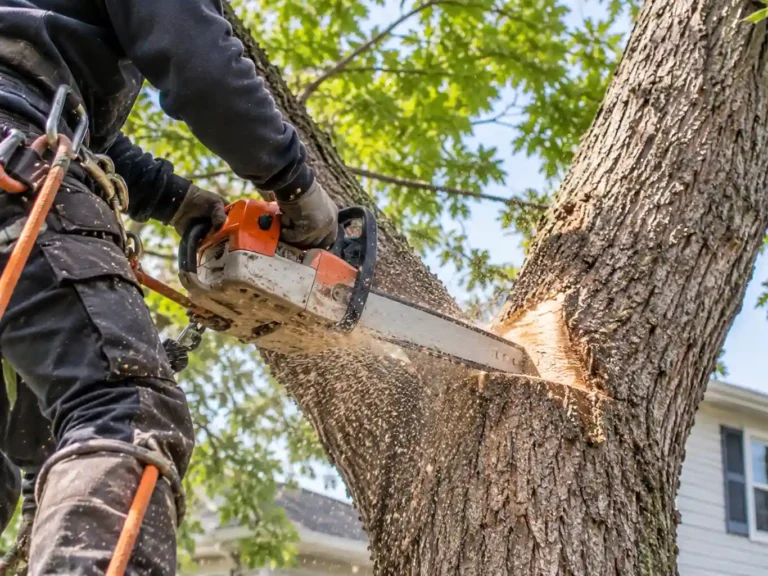
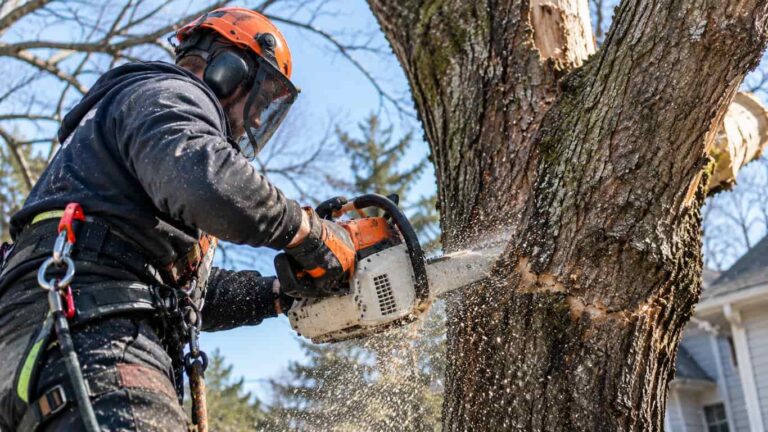
Pruning isn’t just about hacking away at branches. Every cut affects how the tree grows next year, and a bad one could hurt the tree instead of helping.
A good arborist focuses on keeping the tree strong, healthy, and looking good, all while removing just the right amount. If you’re searching for tree pruning service near me, go with someone who knows proper techniques, not just the cheapest option.
When choosing tree pruning service near me, homeowners in the Rome and Utica area should look for a professional who understands tree structure, proper pruning cuts, seasonal timing, and the safety concerns involved with large branches.
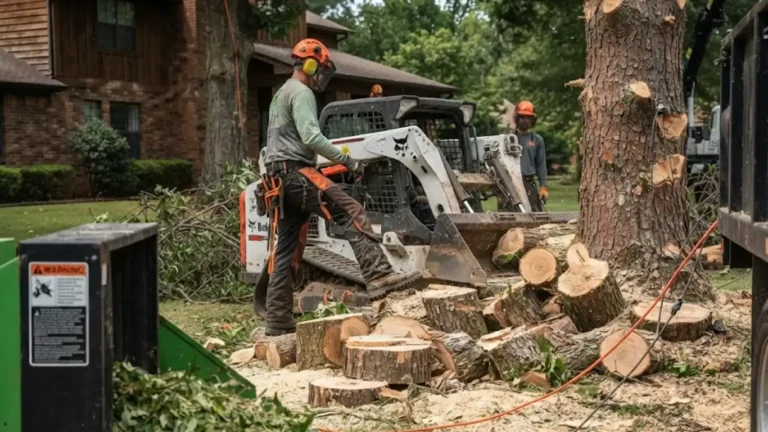
Big trees are dangerous to trim if you don’t have the right tools or training. Professional tree cutting services for larger or difficult-to-access trees can provide the equipment and experience needed for more complicated work. For anything close to power lines, leave it to qualified professionals.
How to Tell If Your Tree Needs Pruning
A tree doesn’t need trimming every year, but here’s what to watch for: dead branches with no leaves when everything else looks fine, cracked or broken limbs, especially above driveways or walkways, branches crossing or rubbing because they hurt each other over time, limbs growing in toward the trunk or rooftops, and branches crowding utility lines.
If your tree is looking too dense, pruning can help sunlight and air get inside, which keeps it healthier.
Broken or Dead Branches
After a storm, check your trees, but from a safe spot. Hanging or split branches aren’t just ugly; they’re dangerous. Don’t try to handle big broken limbs on your own; they’re heavier and more unpredictable than you think, especially near buildings or wires.
Homeowners in Rome, Utica, New Hartford, and nearby communities should pay particular attention to storm-damaged trees because broken branches can become a serious property hazard during additional wind, ice, or snow.
Branches Touching Your House
Branches that scrape your roof, siding, or gutters can do a lot of damage over time. Trimming them back gives your home some breathing room, but a pro can tell you exactly how much space you need.
Crossing or Rubbing Branches
When branches fight for space, they end up wounding each other, which invites pests and disease. Better to remove one and give the other a chance to grow strong.
Proper pruning guidance also recommends removing branches that cross or rub together because these branches can interfere with healthy tree structure.
Weak or Odd-Shaped Growth
Branches growing straight up or at weird angles usually aren’t long-term keepers. Tackle them early; smaller branches are much easier to manage now than after they get huge.
Why Fall is the Time to Get Ahead
Fall isn’t always about breaking out the saw right away. Start by walking around your property once the leaves are dropping. Look for broken branches, dead spots, weird angles, or anything too close to homes and utilities.
Still not sure what you’re seeing? Have a pro check things out. A good inspection helps you know what’s needed and when, and helps you avoid panicking after a winter storm.
Beat the rush, too: If you wait until after the first big storm, every tree service company will be swamped.
For residents searching for tree trimming services near me in Rome, Utica, Oneida, Clark Mills, New Hartford, Vernon, Westmoreland, Augusta, Clinton, Deansboro, Munnsville, Waterville, Whitesboro, Oriskany Falls, Sauquoit, or Paris, planning an inspection before winter can make tree care much easier.
Pricing: What Does Tree Trimming Cost?
“How much is tree trimming?” It depends. A small yard tree is one thing; a big, mature oak close to your house or power lines is a whole different beast.
Price factors include how tall the tree is, how tough it is to access, how many branches need work, and what kind of cuts are required. That’s why most pros want to see your trees in person before giving a solid estimate.
Don’t Wait for a Crisis
Trees often hide their problems. A weak limb could look fine until wind, snow, or ice exposes it, and suddenly you’re dealing with a mess.
Regular inspections and smart pruning catch these issues early. At the same time, you don’t want to overdo it; stripping off too many living branches stresses the tree and invites weak regrowth. Always be selective, and know your trees.
Never try to prune near power lines yourself. Let the experts handle it; staying safe is always worth it.
When Should You Schedule the Work?
Inspect your trees once leaves start falling and schedule a pro for late fall through early spring. The best timing depends on the species and your goals, but starting early means you’ll be ahead of any problems.
For most trees, the late dormant season is generally the best time for pruning. Fall is still an important time to inspect the tree, identify hazards, and plan the work before spring growth begins. Some species require different timing, so the right schedule should be based on the specific tree.
If you’ve noticed dead or cracked limbs, odd growth, or branches too close to your house, don’t wait. Call JW Tree Service at (315) 888-6696 to get real, local advice.
A Quick Recap
Fall is your chance to actually see what’s going on with your trees and prep them for winter. With most leaves off, it’s easier to spot issues and decide what to prune back.
Getting ahead with an inspection helps prevent property damage and keeps your trees healthier for years. The right kind of pruning removes hazards, shapes the tree, and gives you peace of mind before winter.
Searching for tree trimming near me? Don’t wait for disaster. Get your trees checked out before winter hits. For honest, professional tree care, call JW Tree Service at (315) 888-6696 anytime.
Reliable External Source
Looking to read more about proper pruning and seasonal tips? Check out the University of Minnesota Extension’s guide. They break down timing and special cases in easy-to-understand detail.
Frequently Asked Questions
What are signs my tree needs trimming?
Dead, broken, cracked, crossing, or rubbing branches. Also, watch for limbs growing toward your house or utility lines.
When’s the best time to schedule tree trimming?
Late dormant season, after leaves fall and before spring growth, works for most trees. Fall is a great time to do your inspection and make a plan.
Is fall a good time to trim?
Fall is perfect for checking your trees and planning. The actual trimming depends on the species, so ask a pro if you’re not sure.
How much does it cost?
Depends on tree size, condition, location, and work needed. The best way to know? Have someone look at your specific trees.
Should I trim large trees myself?
No, pruning big trees is dangerous, especially near houses or power lines. Let a qualified professional handle large or tricky jobs.

Leave a Reply