Trees do a lot for your property. They give you shade and privacy and just make everything feel more inviting. But you can’t just let them grow without care and hope for the best. If you want your trees to stay healthy and avoid any nasty surprises, you’ll need to look after them. Sometimes branches get too big, snap off, or start growing dangerously close to your house. Occasionally, a tree will develop problems you just can’t fix with a quick trim, and that’s when you face a choice: remove it or just trim it back.
For homeowners, knowing when to arrange tree removal or tree trimming is especially important when trees grow close to homes, driveways, and outdoor spaces. Local property owners may need professional tree care after storms, during routine maintenance, or when branches begin to interfere with buildings.
Knowing the difference between tree removal vs tree trimming could save you some headaches and money. They both matter, but each does something different. Trimming is all about tidying up: keeping your tree healthy, its shape nice, and stopping branches from becoming hazards. Removal is a bigger deal. It means cutting the whole tree down because it is a risk or just doesn’t fit anymore.
Picking the right tree service isn’t just about your tree. It matters for your safety, your house, and your wallet. We’re here to break down the basics, so you know what to expect and when.
JW Tree Service provides professional tree removal, tree trimming, tree pruning, and dangerous tree removal for residential and commercial properties in Deansboro, NY, and surrounding communities. Whether you are dealing with overgrown branches, storm damage, or an unstable tree, choosing between tree removal vs tree trimming starts with understanding the tree’s health and safety.
Tree Removal vs Tree Trimming: What’s Really Different?
Honestly, trimming is maintenance. It keeps your tree in good shape. Removal means the tree is gone.
What’s Trimming All About?
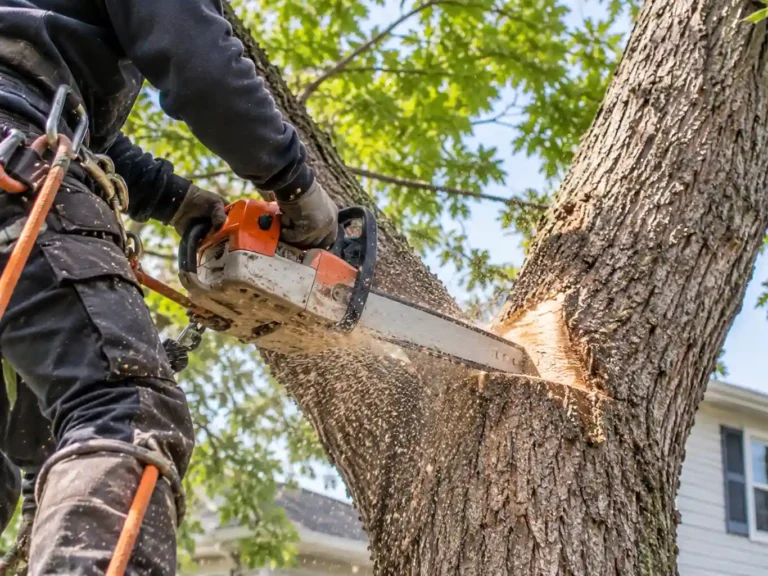
Trimming is like a haircut for your tree. You cut back the dead, broken, or unruly branches so the tree looks better and stays strong. Maybe you’ve got a tree with limbs creeping over your roof or blocking the driveway. A good trim keeps the tree healthy while clearing those trouble spots.
Trimming helps sunlight reach your garden, keeps air moving through the branches, and gets rid of weak spots. Done right, it reduces risks and helps your tree grow well. But don’t go overboard. Too much trimming can actually make the tree weaker. That’s why it’s smart to call in someone who knows what they’re doing.
What’s Tree Removal?
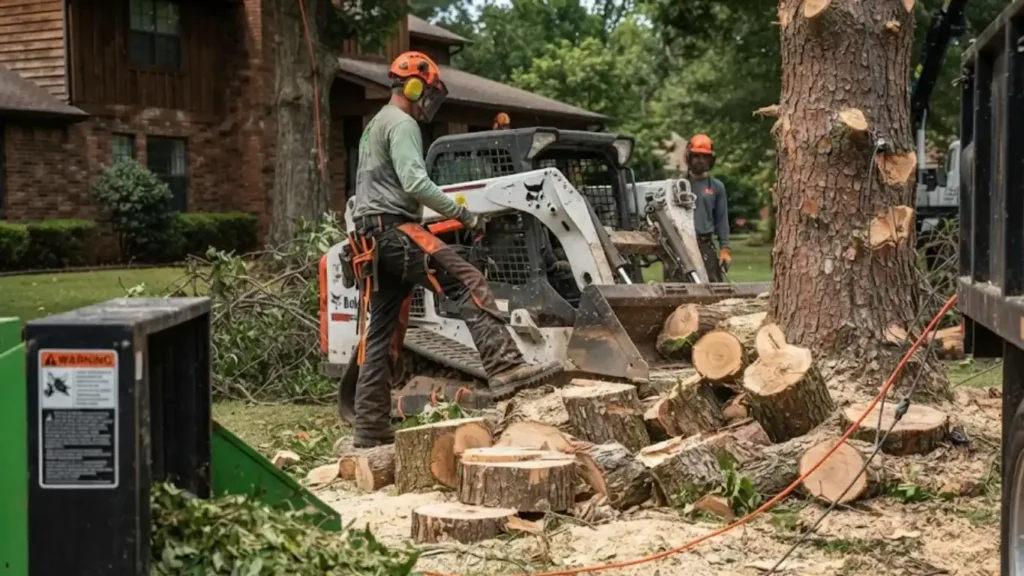
Tree removal is exactly what it sounds like. You take the tree down, cutting the branches and trunk into manageable sections and removing them from the property as agreed. Complete removal may also involve stump grinding or separate stump removal if those services are included in the job.
Sometimes you just can’t save a tree because it’s too damaged, dying, or unsafe. Maybe it’s leaning toward your house after a storm, or there’s serious rot in the trunk.
When deciding between tree removal vs tree trimming, a professional assessment should consider trunk decay, root stability, structural defects, canopy condition, and the tree’s proximity to buildings or other targets. These factors help determine whether selective pruning can address the problem or complete tree removal is the safer option.
Taking out a tree is a bigger job than trimming. It means using specialized equipment, making plans, and being extra careful if there are buildings, fences, or power lines nearby.
Comparing Trimming and Removal
First, check the tree’s health. A strong tree with a few out-of-control branches? Just trim it. But if it’s dying or has major problems, removal may be safer.
Location matters too. If one branch is hanging over your garage but the rest of the tree is fine, trimming may work. But if the tree is unstable from the roots up, just taking off a couple of branches won’t solve the problem.
The goal isn’t to make trees disappear or shrink them for the sake of it. It’s about finding a safe, practical solution for you and your property.
Here is a simple comparison to help you understand tree removal vs tree trimming before arranging professional tree care.
| Factor | Tree Trimming | Tree Removal |
| Main purpose | Maintain tree health, shape, and clearance | Remove a tree that is dead, unsafe, or unsuitable to retain |
| Tree condition | Often healthy, with overgrown or damaged branches | May be dead, severely damaged, or structurally unstable |
| Amount of work | Selected branches are removed | The tree is cut down and removed |
| Typical cost | Often less expensive | Often more expensive, depending on size and complexity |
| Best next step | Arrange an assessment for necessary pruning | Arrange a professional assessment of the tree and surrounding risks |
The right choice depends on the tree’s condition, location, and potential hazards. This comparison is a general guide, not a substitute for a professional assessment.
When Is Removal the Right Move?
Sometimes, trees just get dangerous. Too much dead wood, major cracks, big cavities, or signs of rot and fungal growth are reasons to arrange a professional inspection and consider removal.
A sudden lean after a storm or soil heaving under the roots is another red flag. Repeated branch failures, extensive storm damage, or a dying tree affected by pests may also indicate a serious problem.
Get a professional to check it before you make the call.
Spotting Trouble Early
Catching these signs early means you can deal with problems before they turn into disasters.
Common signs a tree needs removal include extensive trunk decay, major structural cracks, unstable roots, widespread dieback, and serious storm damage. However, these signs do not automatically mean a tree must be removed. A qualified tree care professional should assess the tree and recommend the appropriate action.
During an assessment, a tree care professional may also look for fungal fruiting bodies, root plate movement, included bark, and signs of internal wood decay. Identifying these structural defects helps determine whether tree pruning, additional monitoring, or removal should be considered.
When Your Tree Becomes a Hazard
Any tree near your house, garage, driveway, or walkway can quickly become a concern. Weak limbs can drop during storms, and a compromised trunk could fail suddenly.
And if you ever see branches touching power lines, don’t even think about tackling that yourself. Keep your distance and contact your utility company or an appropriately qualified professional.
Looks can fool you. Some hidden issues need an expert eye. Arborists know what to look for and can tell you if trimming, removal, or another solution is best.
When Removal Beats Trimming
If you cut a few dangerous branches but the tree is still fundamentally unsafe, you may only be delaying the problem. Rotten trunks, unstable roots, or a tree that is mostly dead may need removal. Sometimes, you need to clear space for new construction or address damage caused by a tree. In these situations, a professional can explain your options and help you decide if saving the tree is realistic.
Don’t remove a healthy tree just because it has gotten big. Sometimes a trim is all you need.
If you’re worried a tree is risky, call JW Tree Service. Don’t try to handle hazardous tree work yourself.
For property owners in Deansboro, NY, JW Tree Service offers tree removal and tree care services. If a tree has suffered storm damage or appears unstable, arrange a professional assessment to determine the safest next step.
When Is Trimming Enough?
Not every tree problem means saying goodbye. Usually, trimming fixes specific issues, lets the tree stay, and keeps everything looking good.
Signs Your Tree Needs Trimming
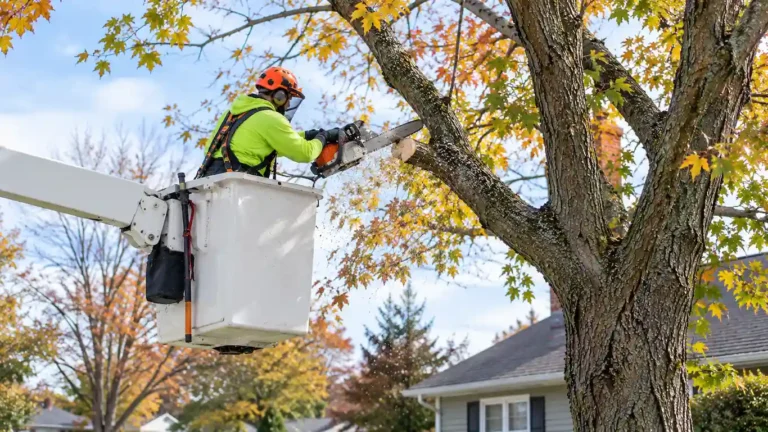
If branches are blocking windows, scraping a roof, hanging low over a driveway, or blocking paths, it may be time for a trim.
Dead, broken, or diseased branches should be assessed for removal. Even a healthy tree can have limbs that become hazardous if they snap.
Too much dense growth can cause branches to rub against each other. Selective trimming helps the tree maintain its structure. Removing selected branches can also let more light into your garden and help keep the tree’s shape balanced.
Sometimes you just want clear space around your home. Keep a regular eye out and catch these issues before they get out of hand.
Common signs a tree needs trimming include overgrown branches, branches touching the roof, low-hanging limbs over walkways, and dead or broken branches within an otherwise healthy canopy. When comparing tree removal vs tree trimming, remember that professional trimming and selective pruning can improve canopy clearance, manage excessive growth, and remove problem branches while preserving the tree’s healthy structure.
How Much to Trim?
That depends. The tree species, age, health, and reason for trimming all matter. The key is only cutting what’s needed, not just hacking away for fun.
Professional tree pruning focuses on selecting the right branches and making appropriate cuts. Excessive pruning can weaken a tree, affect its natural structure, and make it more vulnerable to stress.
Best Time to Trim?
Routine trims? Many trees can handle maintenance pruning at different times of the year. But some species are more sensitive to pruning at particular times. Local conditions and the risk of spreading certain diseases can also make a difference.
After severe weather, check for damage. Quick action can help you address hazards before they become bigger problems.
Regular maintenance is especially worthwhile near homes or buildings. Catching small issues early can help you manage tree care costs over time.
Why Trimming Matters
Trimming isn’t just about making trees look good. Removing problem branches can reduce hazards and help maintain the tree’s structure.
Done carefully, it can stop branches from rubbing against roofs and help manage crowded growth in the garden.
But trimming can’t fix deep internal decay or automatically stabilize a dangerous tree. That’s why knowing when to trim versus remove matters. Get a professional assessment.
JW Tree Service offers tree trimming and tree pruning, including canopy reduction and palm tree trimming. These services can help property owners manage overgrown branches, improve clearance, and maintain their landscape when the tree is suitable for retention.
What Does It Cost?
Let’s talk money. Trimming is usually cheaper than removal because it involves less work, less equipment, and less debris. But prices vary. Tree size, condition, location, access, and equipment all play a role.
Tree Trimming Costs
Small trees or lower branches may require less work. Big trees with wide canopies or tricky locations usually require more labor and specialized equipment.
If you keep up with maintenance, you can stay ahead of some larger tree care problems. Just don’t trim more often than needed.
Tree Removal Costs
Removal costs vary considerably. Bigger trees usually mean more labor, especially if they are near buildings.
Storm-damaged trees, tight spaces, or difficult access can increase prices. Stump grinding, hauling wood, and debris disposal may sometimes cost extra.
Don’t just look for the cheapest option. Sometimes trimming a tree that is beyond saving only delays removal and may make the situation more expensive later. Ask for a clear quote that explains the work and any additional costs.
When comparing tree removal vs tree trimming, ask JW Tree Service what the recommended service includes. The cost may depend on the tree’s size, condition, accessibility, nearby structures, equipment requirements, and whether stump grinding or debris removal is needed. Request an estimate for your particular property rather than relying on a general price.
Safety: Don’t Mess Around
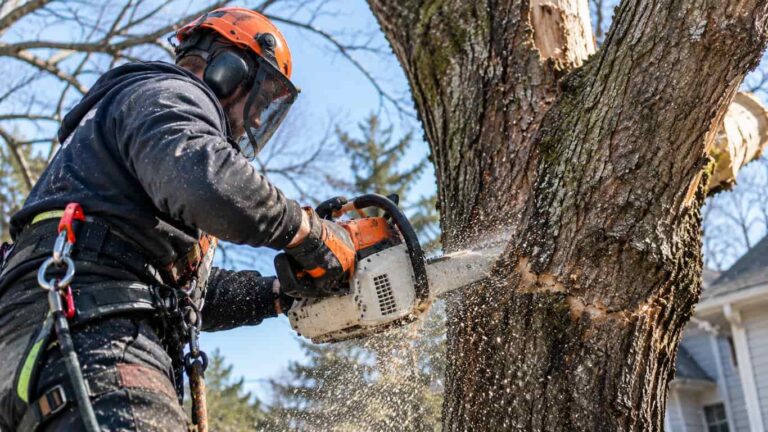
Tree work gets dangerous fast, especially with big branches, heights, chainsaws, or damaged trees. A branch under tension can move unexpectedly when cut, and falling limbs can cause serious injuries or property damage.
Never climb your own tree with tools or try to take down major branches yourself. It’s even riskier near houses, roads, or power lines.
After storms, avoid cracked trunks, hanging limbs, or uprooted trees. If you see anything near electrical wires, stay far away and contact the power company.
Professional tree care protects people, property, and your landscape. Don’t risk serious injury by attempting hazardous work without the proper training and equipment.
Before arranging major tree work, homeowners can review its guidance to learn more about professional tree care.
Choosing What’s Right for You
Start by checking your tree’s condition from a safe distance. Look for dead branches, unusual leaf loss, cracks, fungal growth, or sudden leaning. But don’t rely on appearances alone. Get a professional to give the tree a proper assessment.
Think about what you want to achieve. Do you need to clear the roof, improve the tree’s shape, or remove damaged branches? Trimming might be enough. If the tree is dead or presents a serious safety concern, removal may be necessary.
Consider the location too. A tree over a quiet garden is not the same as one hanging above your house or driveway.
Then, talk to a tree care specialist. They can inspect the tree and walk you through your options.
JW Tree Service can help you figure out what you need, whether it is trimming or removal, so your property stays safe and healthy.
Contact JW Tree Service to confirm availability for your address and discuss the tree care work you need.
FAQs
How do I decide between removal and trimming?
If the tree is dead, seriously diseased, or a safety risk, removal may be necessary. If it is healthy but overgrown, trimming may work. Get a professional to confirm the right option.
Should I remove or trim my tree?
Trim your tree if its structure is healthy and the problem can be addressed by removing selected branches. Consider removal if the tree is too damaged or unstable to retain safely.
Is trimming cheaper than removal?
Usually, yes. But it depends on the job, tree size, access, condition, and equipment. You can ask for a quote.
How often should I trim?
There is no single answer. It depends on the species, growth, location, health, and maintenance goals. Inspect your trees regularly and arrange professional advice when needed.
Can trimming save a dying tree?
Sometimes. Removing dead or diseased branches can help manage certain problems, but trimming will not cure every serious disease or correct major structural problems. Get a professional to assess the tree.
Contact JW Tree Service for Help
Deciding between trimming and removal doesn’t have to be complicated. It’s all about the tree’s health, condition, and risks. Trimming helps maintain suitable trees and manage overgrown branches. Removal may be necessary for trees that pose too much danger to retain.
Knowing the difference helps you protect your property and plan your tree care budget.
If you’re unsure, contact JW Tree Service. The team can assess your concerns, explain your options, and help you make the right decision for a safer, healthier outdoor space.
Call JW Tree Service today to discuss tree removal, tree trimming, or dangerous tree removal and request an estimate.
Want more information? Check out the International Society of Arboriculture’s consumer resources to learn more about tree safety, tree care, and hiring a qualified professional.

Leave a Reply